
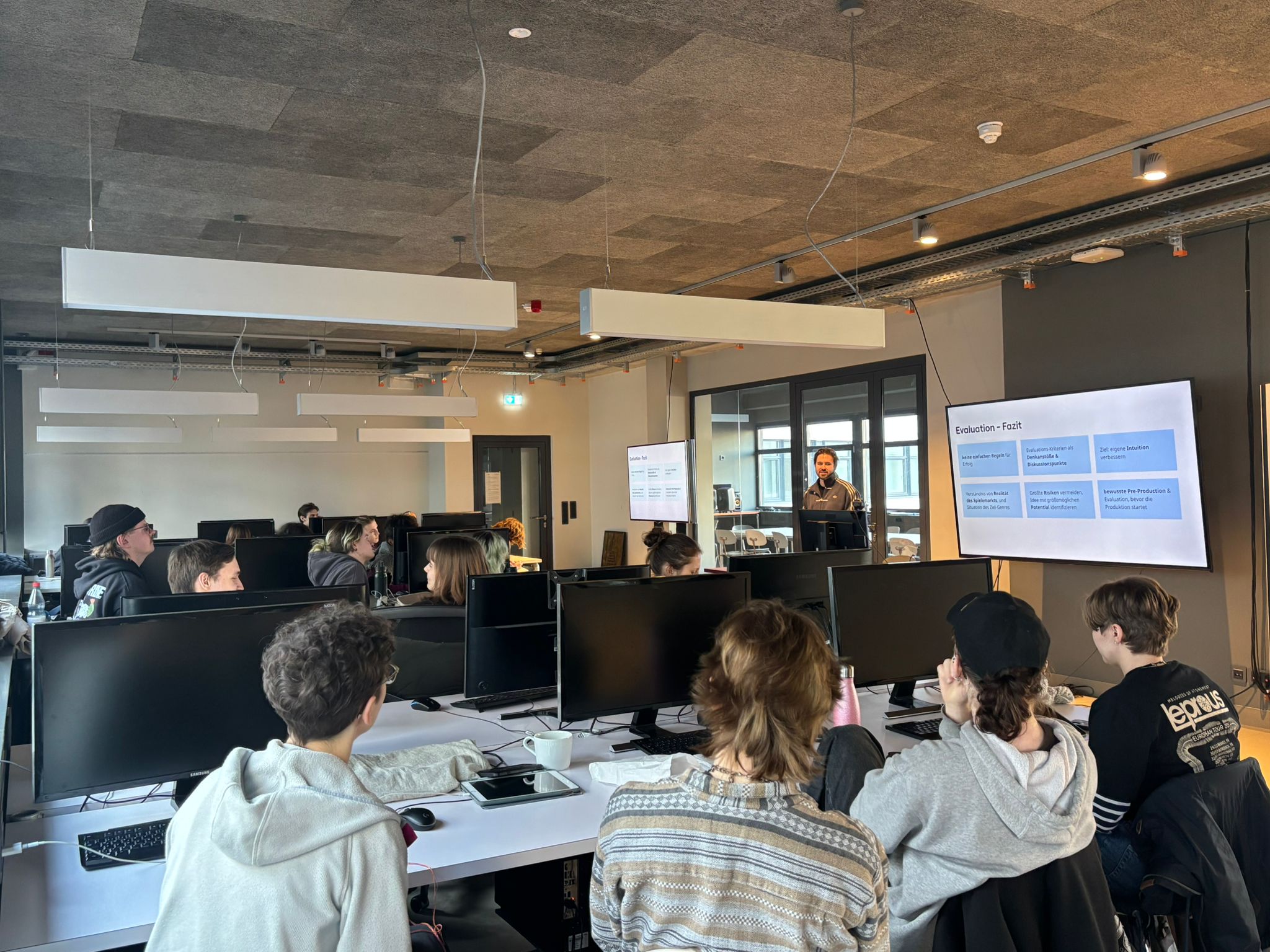
In a dedicated game mechanics session, the LUNA Framework became both a shared language and a practical tool for exploring how games work beneath the surface. Through discussion, analysis, and hands-on ideation, participants engaged deeply with the core elements of the framework and applied them directly to existing games and new design concepts.
The session began with a collective exploration of the LUNA vocabulary. Frames, Entities, Ludic Agents, Human Agent Motivations, Activities and Actions, Process Segmentation, Human Agent Situations, and Agent Setups were examined not as abstract theory, but as living components of playable systems. Existing games were discussed and dissected using this terminology, allowing participants to articulate design decisions with greater precision and clarity.
Frames served as an early focal point. Participants identified the underlying frames of well-known games, developed new game ideas starting from a single frame, and experimented by applying alternative frames to existing concepts. These exercises revealed how profoundly a change in framing can reshape player experience and systemic behavior.
From there, attention shifted to Entities, Actions, and Activities. By distinguishing between player actions and broader activity loops, participants broke down existing games into their functional components. Entities were defined and contextualized, and complete game systems were explained through the relationships between these elements.
Motivation and agency followed. Using Ludic Agent and Human Agent Motivation cards as starting points, participants developed game concepts driven not by mechanics alone, but by player intent and desire. This perspective encouraged designs that foreground meaningful engagement over conventional genre expectations.
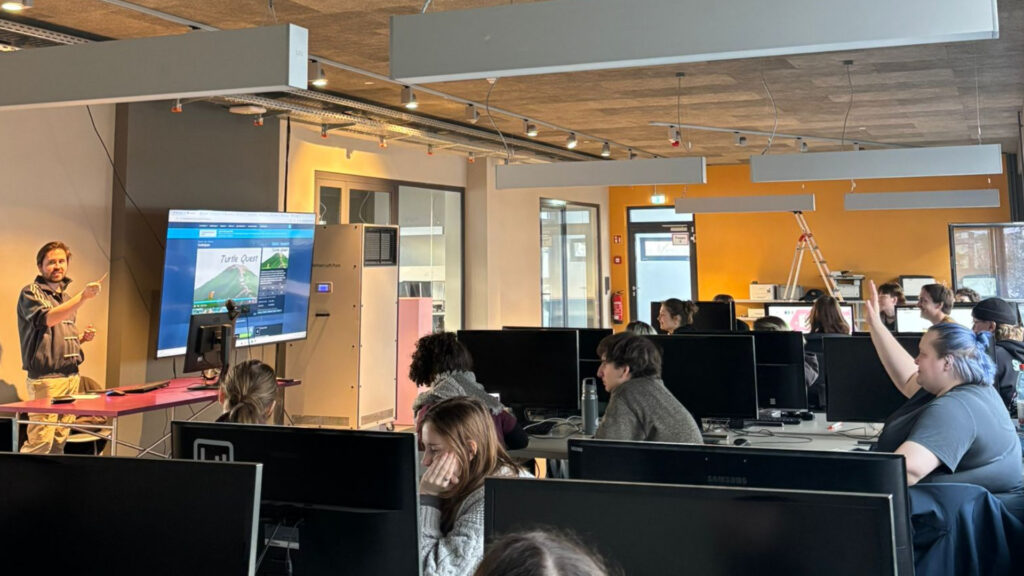
Process Segmentation introduced a temporal dimension to the analysis. Participants explored what process segmentation means in practice, analyzed different combinations, and developed game concepts based on segmented player journeys. This approach highlighted how pacing, progression, and structure can fundamentally shape a game’s experience.
The session also ventured beyond commercial conventions. By starting from Human Agent Situations, participants designed game concepts rooted in specific human contexts rather than market-driven formulas. Finally, existing games were categorized through Agent Setups, offering a clear overview of interaction structures and player relationships.
Across all exercises, the LUNA Framework functioned as both guide and catalyst. It enabled structured analysis while leaving room for creative exploration, demonstrating once again how playful methodology and clear conceptual tools can deepen understanding and expand the possibilities of game design.