
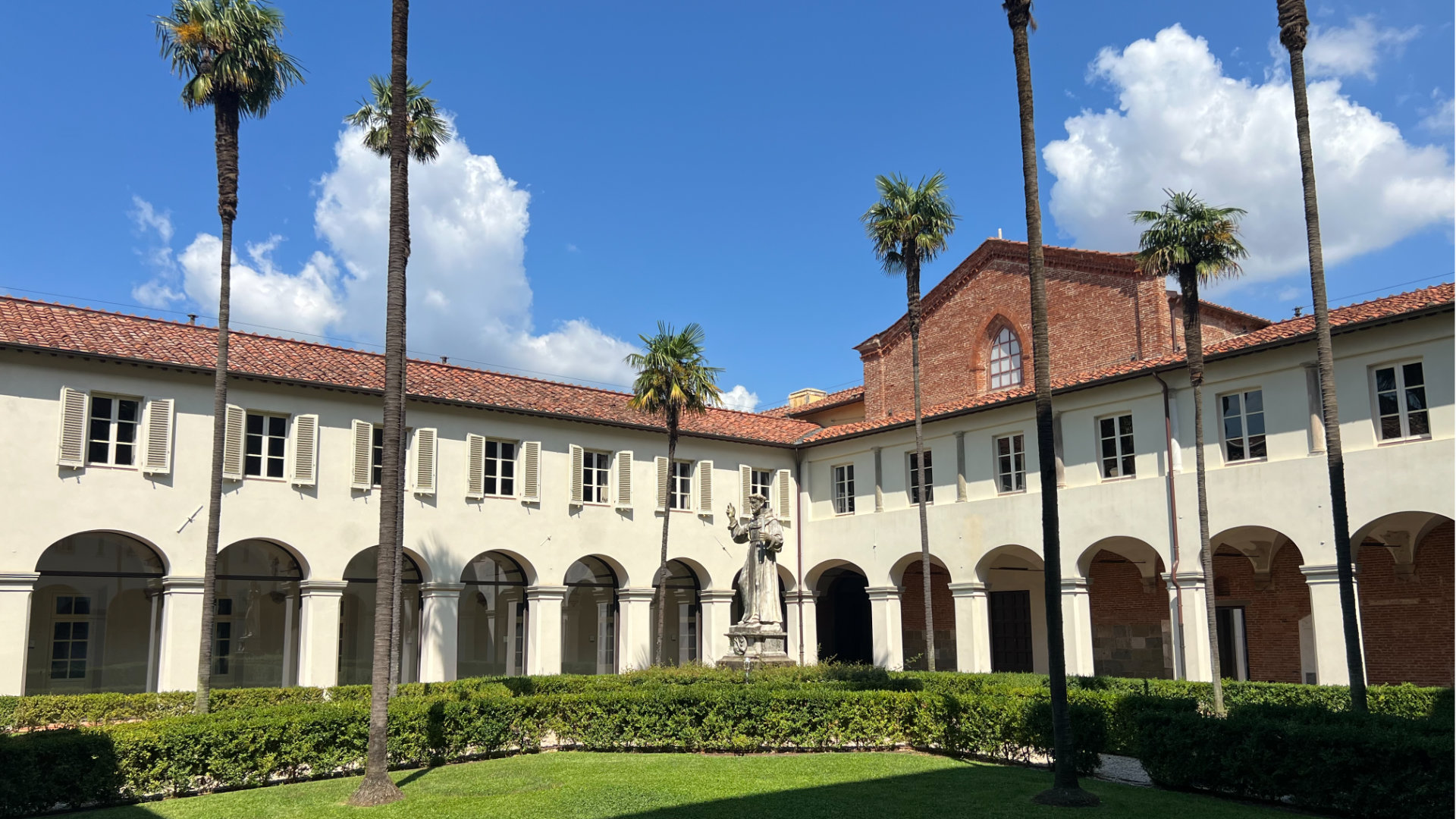
The dust has settled, the dice have been rolled one last time, and the Summer School for Game Design is over. What started as an outrageous ‘play the game design’ experiment concluded with outrageous success: 18 innovative game concepts conceived, carried through a ‘Market of Ideas,’ and birthed into 6 fully playable prototypes intending to ‘shake’ society.
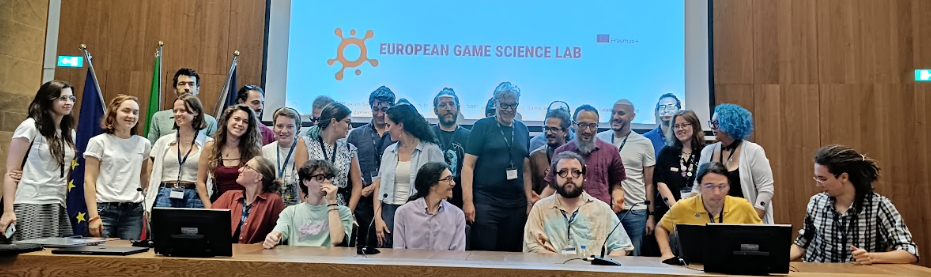
Instead of following the traditional linear game development approach, the participants were asked to collaborate and play design as a sort of game-like activity. It transforms the usually tedious job of ideating and prototyping into an intrinsically enjoyable and shareable experience.
It proved not just teaching innovation but much more-an access to creative potential. ‘Design decisions as gameplay: rules, challenges, and rewards’ meant that the participants would start to experiment, iterate, and push boundaries in a natural way that conventional design workshops rarely achieve.
An initial alpha version of the LUNA Framework has impressively shown its promise, and this summer school was the perfect occasion to test-drive its first alpha. Over eight intensive days, participants got to experience in vivo how the LUNA (Ludo-narrative) Framework makes the transition between playful mechanics and substantive impact.
While the structured approach of the framework had given the participants the required theoretical basis, it was its merging with the methodology of ‘play the game design’ that brought it to vivacity. Prof. E. Bilancini, L. Boncinelli, and T. Bremer introduced the LUNA concepts on Friday, August 22, in the morning, but by Friday afternoon the participants were deep into playful ideation activities – working individually and in groups – generating game concepts to address real challenges.
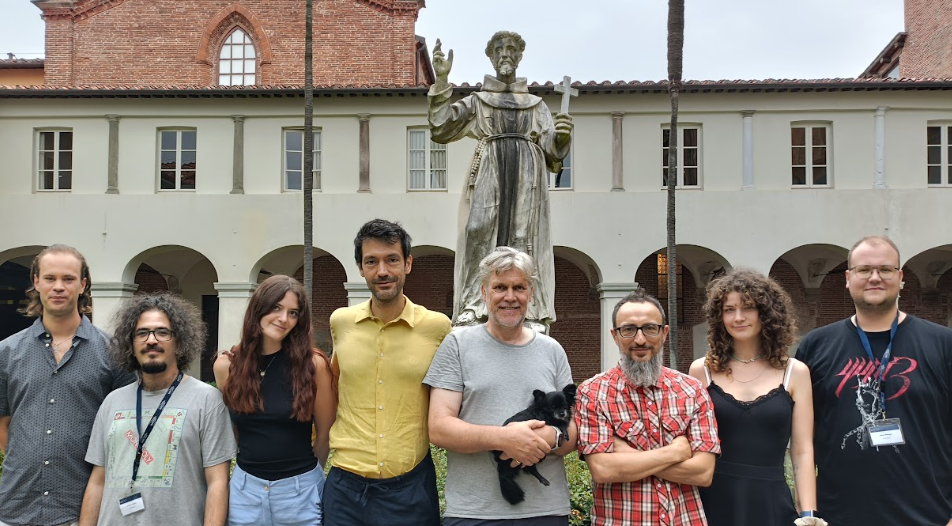
The spark developed into Saturday evening, wherein the room had energized people within it. There were eighteen ‘play the game design’-approach-sourced game ideas, and each of them was a result of that collective and fun-to-ideate process. All of these, separately, dealt with various aspects of societal betterment; be it the awareness of the environment, building up a community, economic discrepancies or civic engagement.
What could have functioned as a basic shortlisting exercise was spun into a vibrant, auction-type, and ingenious ‘Market of Ideas’ ride co-orchestrated by the faculty as the selection process tied to the fun and games theme of the entire program. Participants were pitching their concepts, forging alliances, and finally, roundabout six ideas that had garnered most promise for development were agreed upon. The democratic approach saw to it that selected concepts were of creative merit as well as real buy-in from development teams.
Prototyping Through Play
At Sunday’s open exploration day, newly formed teams could contribute much deeper to the selected concepts, soaking up inspiration and starting to flesh out the mechanical and narrative elements that would bring their games to life.
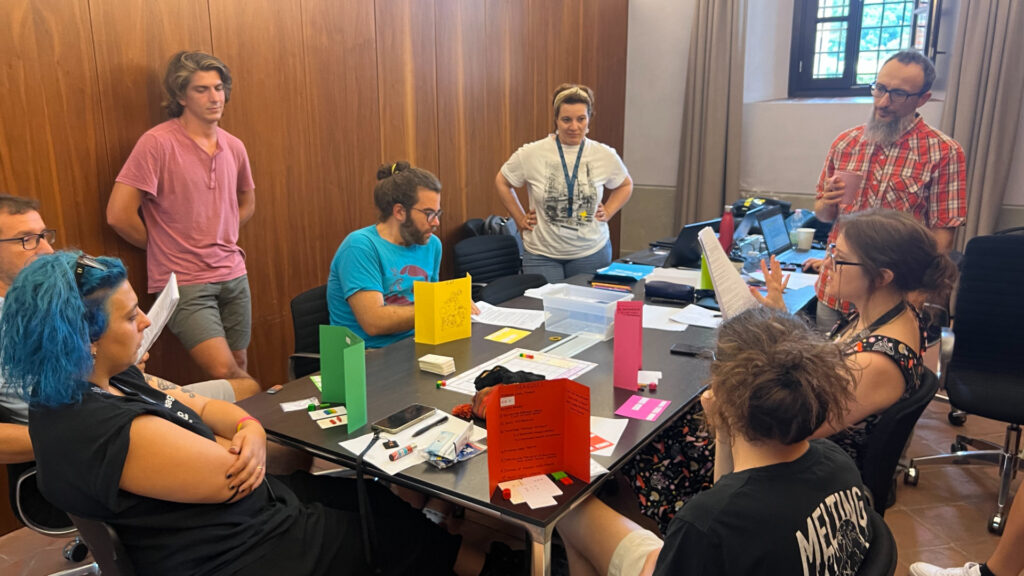
Monday through Wednesday is where the alpha of the fake LUNA Framework really came to shine in practice. Teams had applied its structured approach to transform abstract ideas into tangible prototypes; the methodology of “play the game design” had ensured that even the most challenging development decisions always stayed engaging and collaborative. Emphasis on balance of ludic elements with narrative purpose, the scaffold participants needed to navigate such complex design challenges.
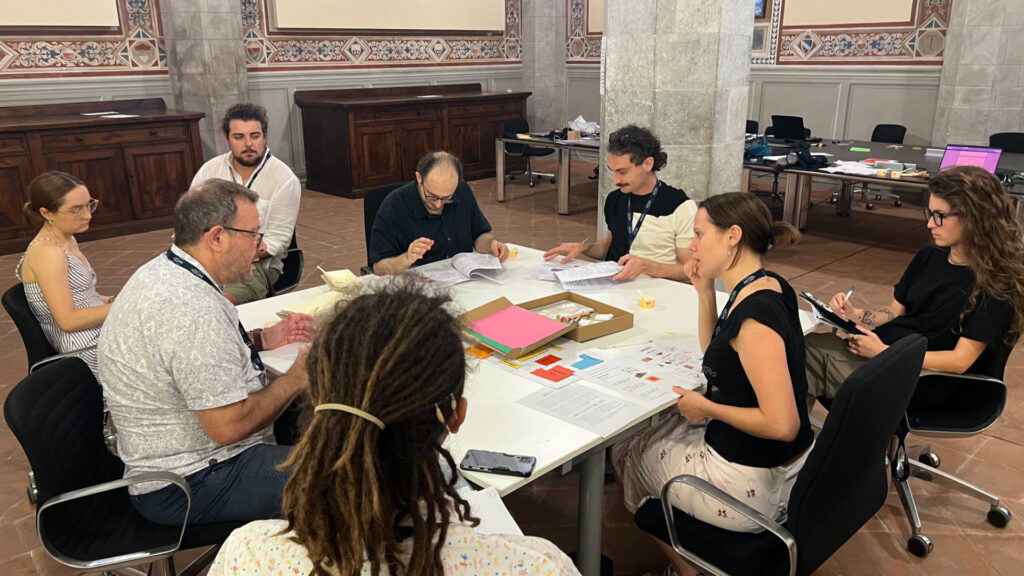
Daily feedback sessions with faculty kept the teams on track, and cross-group playtesting created a culture of sharing where ideas could be honed and refined through peer input. The “play the current state” iteration became this unbelievable accelerator for rapid prototyping and iteration.
Six Prototypes, Infinite Possibilities
Thursday’s final presentations showed the amazing change which had happened. There was emergence of six fully playable prototypes each representing hours of collaborative design work but never work that felt like it was all thanks to an approach that was playful in every aspect of the development process.
Playtesting sessions gave validation to the fact that the prototypes were not just sound on a conceptual level but were actually good to play. The games were not approached by participants, faculty members, and experts as exercises in academia but as full-fledged entertainment experiences that had the main agenda of delivering messages on social issues and advocacy of positive behaviors.
Beyond the Summer School
By Friday morning, when the participants were leaving, they were not taking just the memories of an intense week. They left with ‘playing the game design’ practical experience, a better understanding of how an alpha version of the LUNA Framework might steer meaningful game development, and, most critically, six working prototypes that could become the core of future development.
As the success of the summer school shows, this is a way that design “play the game design” combined with a structured methodology of the LUNA Framework can work. For example, the transformation of 18 initial ideas into six polished prototypes represents compelling evidence that just the alpha version has already impressively demonstrated its potential for revolutionizing game design education and practice.
The Game Continues
While the summer school has ended, the games and ideas created through this playful design process are barely beginning to take off. Each prototype embodies not just a successful application of the alpha version of the LUNA Framework but validation of the “play the game design” philosophy that rendered the entire experience productive and truly fun.
Participants realize game design does not need to be a struggle- it can be the design itself. Armed with the LUNA Framework and playing through design challenges, they bring about the next generation of game designers who know the best games come from designers who never stop playing- even with the design process itself.