Category: Uncategorized

  • Creating prototypes with non-game-designers: LUNA at CuDe Week

    Creating prototypes with non-game-designers: LUNA at CuDe Week

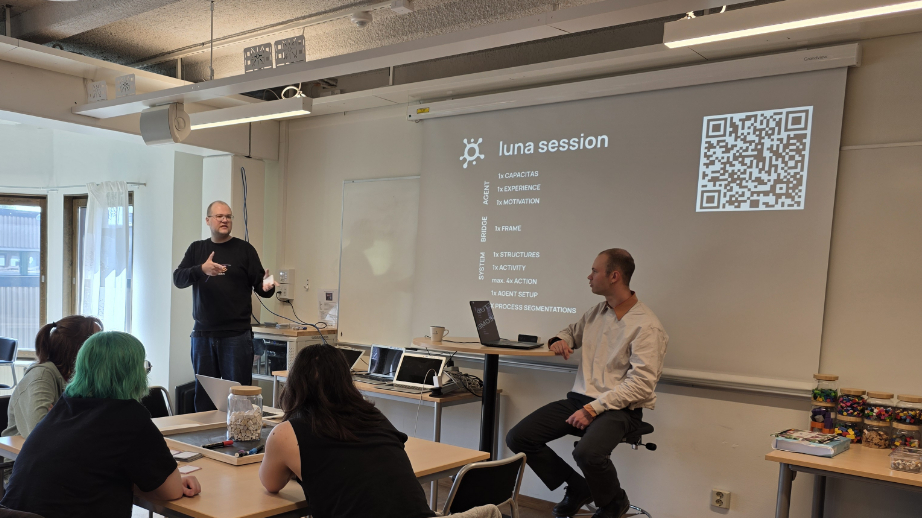
    In the first week of May 2026, DE:HIVE ran a five-day hands-on game design workshop at HTW Berlin’s Culture and Design (CuDe) Week. Using the LUNA Framework, 12 students from other design programs were guided from two ideation sessions to a final playable prototype.

    This workshop introduced a deliberate twist: the Frame cards were removed entirely, instead we tested the new Structures cards by integrating them into the ideation process for the board game ideas.
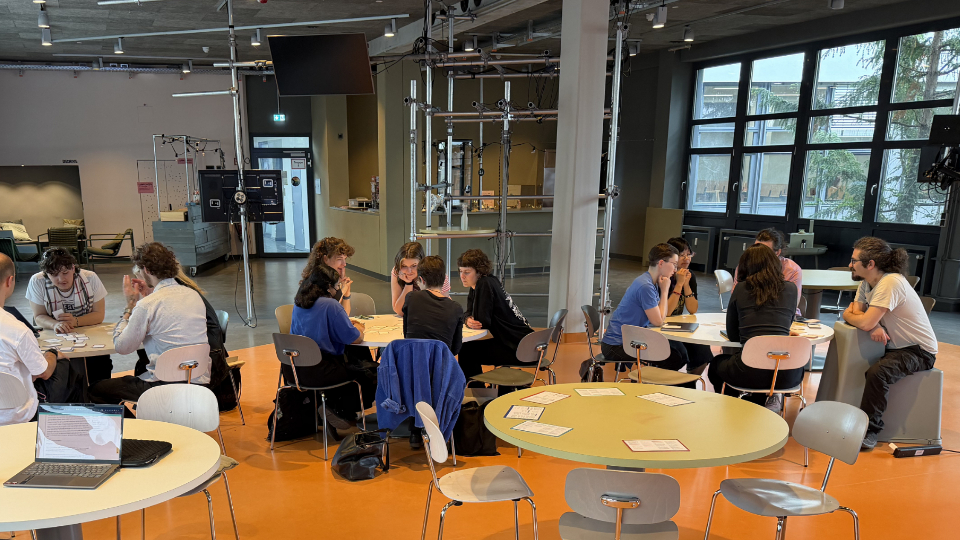
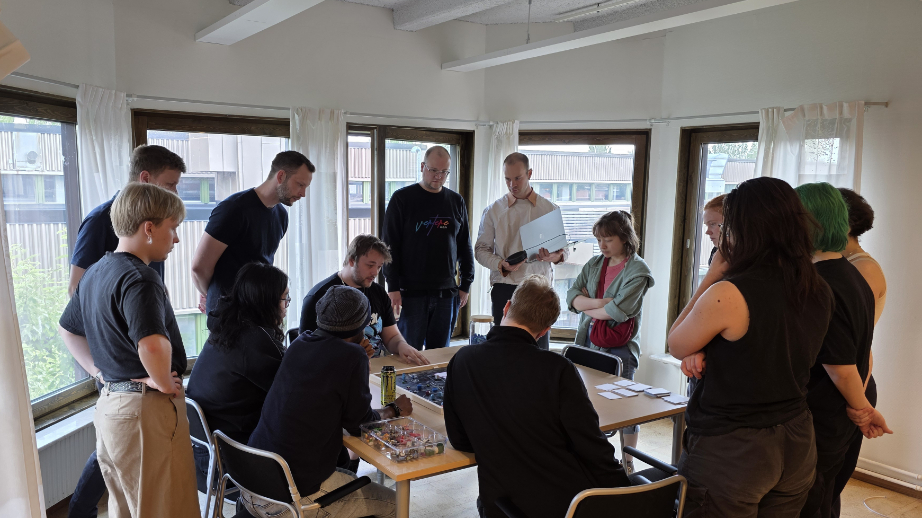
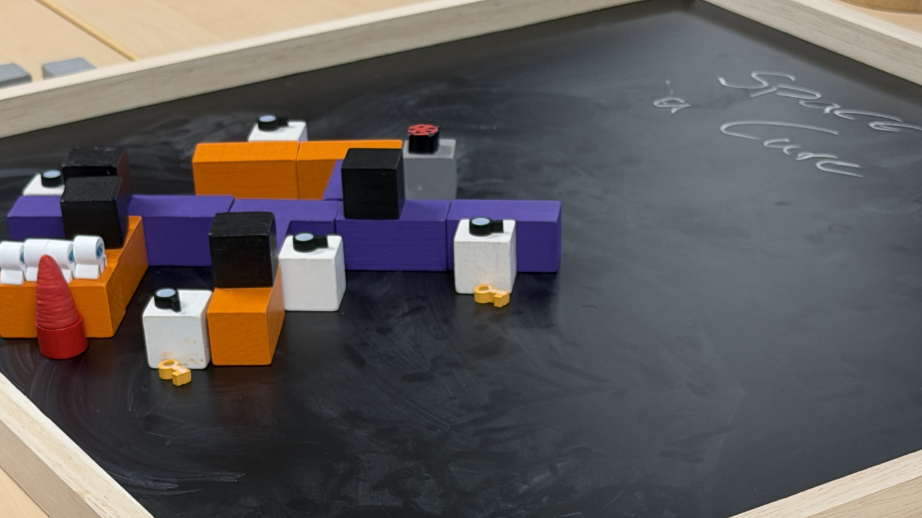
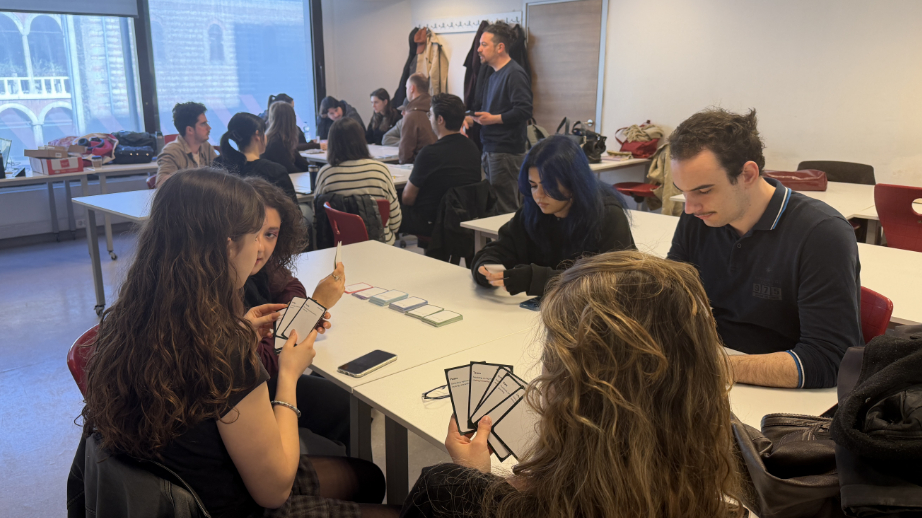
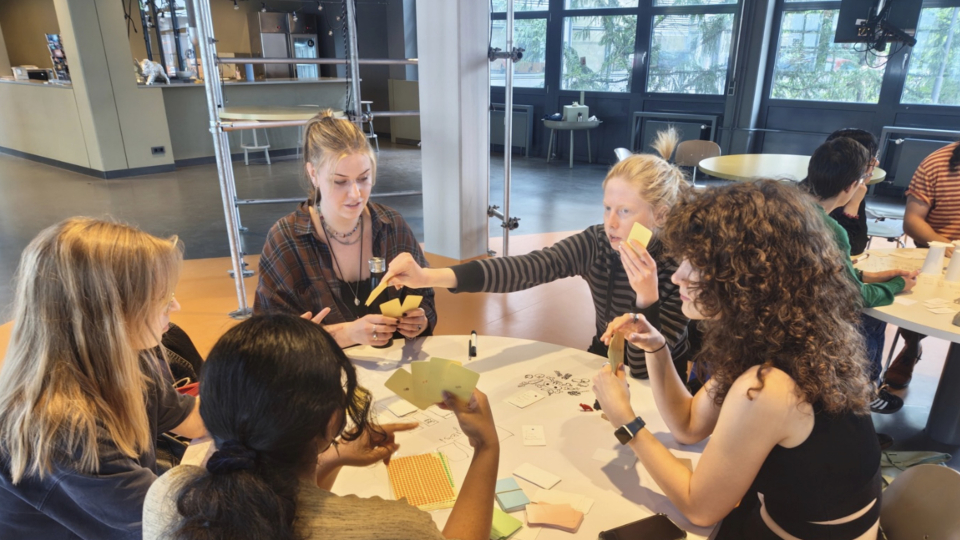
    The result was a pleasant surprise: every team independently developed a thematic frame for their game. Even more striking, each chosen frame could have been matched to an existing LUNA card, the teams just got there without prompting. And the use of the Structures stack, helped the non-game-designers to transition really quickly into the projection of a playable game loop. Students received a theoretical introduction to LUNA, ran two full ideation rounds in rotating team constellations, and collected all concepts on a shared digital whiteboard: the “Market of Ideas.” Three ideas were chosen, three teams of four were formed, and the physical prototyping phase began. Each team had a raw, playable prototype by end of day. A session on rulebook structure and language was followed by read-aloud playtests with tutors, surfacing unclear rules and prompting targeted revisions to each game’s core loop. Teams finalised rules, balance, and visual design. Blind playtests validated that the games could be understood and played without tutor guidance. The final morning was spent printing and assembling. All three games were played in the afternoon, including by two school interns who provided unbiased, fresh-eyes feedback.

    Students described LUNA as a pragmatic and intuitive tool for ideation, particularly useful for finding common ground within a team. The dynamic prototyping and playtesting phases were highlighted as the most engaging parts of the week. The main structural criticism: two full ideation rounds felt long relative to the total time available for prototyping.
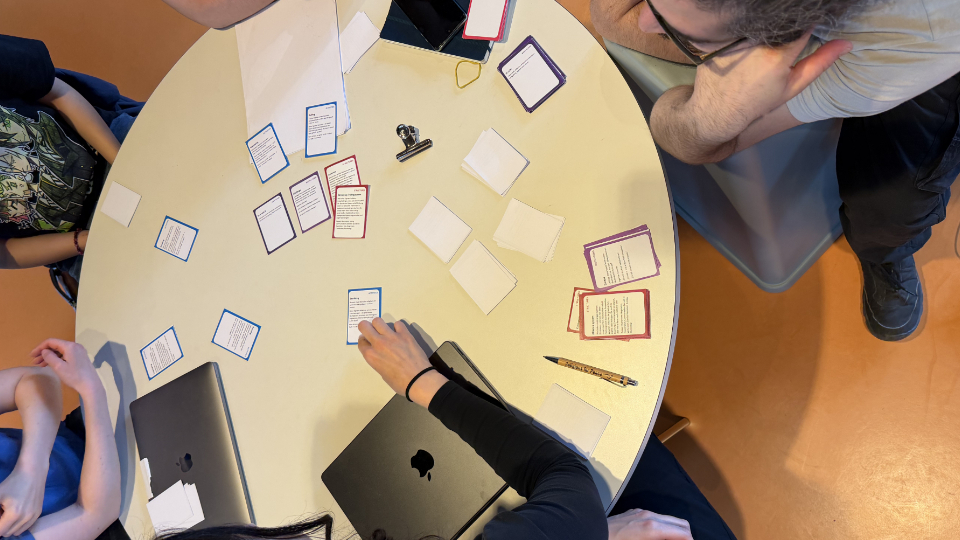
    Attendance settled at 10 students by the final day, a pattern we link partly to the absence of academic credit for participation. Yet the students staying showed exceptionally high commitment. The mixed-discipline cohort – industrial designers, graphic designers, museologists, archeologists etc. – meaningfully enriched the quality of the final prototypes, and underlined the value of bringing different backgrounds together around a shared creative challenge. The LUNA workshop offered at CuDe Week received largely very positive feedback, with students calling for the CuDe Week to become an annual fixture.
  • Bologna Play 2026 – Luna Framework Presented To Visitors

    Play 2026 took place from 22 to 24 May 2026 at the BolognaFiere exhibition centre, which has hosted the festival since the 2025 edition. Widely recognized in Italy and across Europe, the event attracts visitors and gaming enthusiasts from numerous European countries.

    The festival provides an opportunity to present prototypes, research projects, and innovative design methodologies to a highly engaged audience with a strong interest in games and game design.

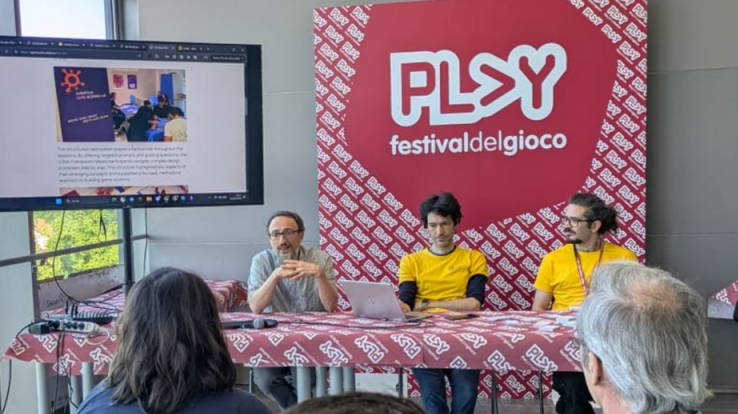
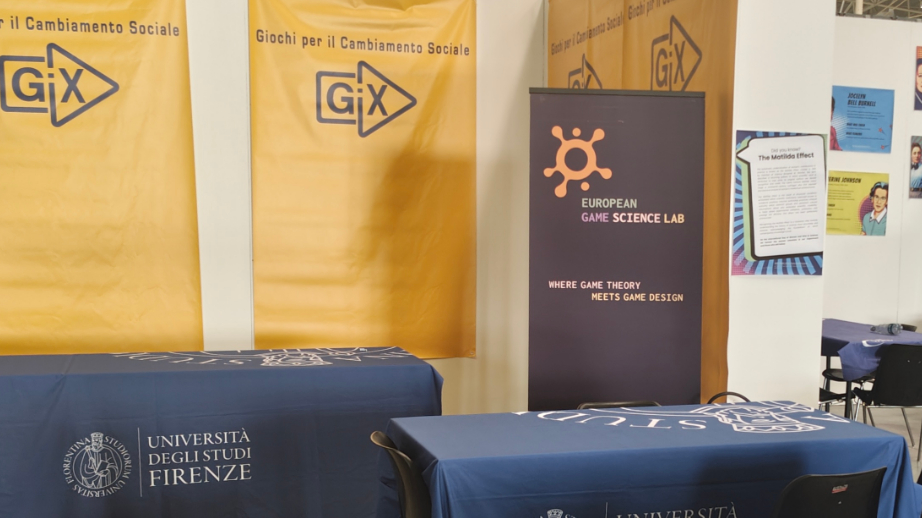
    The European Game Science Lab participated in the event by presenting the LuNa Framework at the GiX (Games for Social Change) stand, organized by the University of Florence (UniFi).

    Throughout the event, the framework was demonstrated and tested by visitors. Feedback from participants was positive, with several attendees expressing interest in applying the framework to their own projects. This interest also highlighted the value of establishing dedicated communication channels, such as an email contact list, to facilitate future engagement with the project.


    Visitors who attended demonstrations without directly participating in testing activities nevertheless identified the framework as a potentially valuable tool for supporting and enhancing creative design processes.

    The stand of the GiX and the European Game Science Lab banner

    The GiX stand was located within the university area of the exhibition, alongside several academic institutions and research groups. This positioning contributed to increased interest in the LuNa Framework among researchers, educators, and practitioners involved in the design of educational and serious games.

    The university area hosted a variety of Italian organizations active in game-based learning and educational game design, representing potential contexts for future applications of the framework.

    As part of the event programme, a public presentation of the LuNa Framework was delivered by a project representative. The session included a live meta-ideation exercise involving audience participation, providing attendees with a practical demonstration of the framework’s methodology and workflow.

  • LUNA Framework Workshop at the University of Florence

    LUNA Framework Workshop at the University of Florence

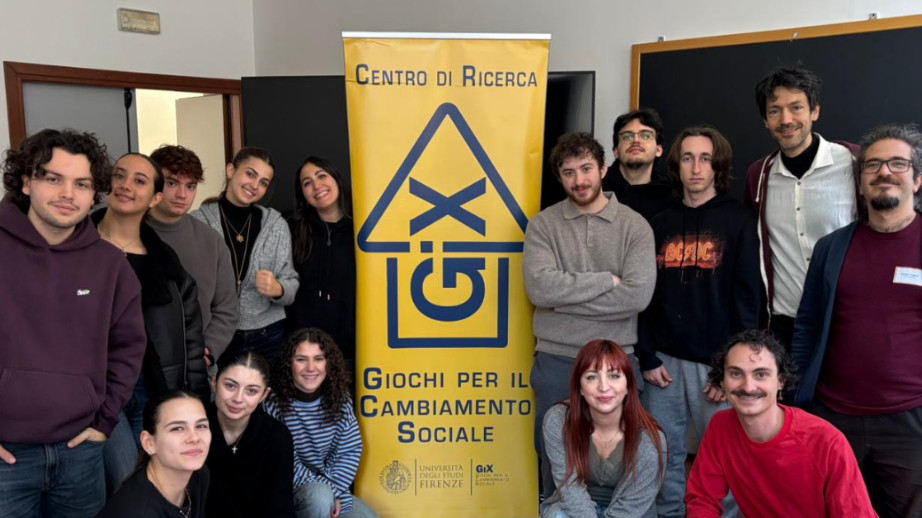
    In March 2026, the University of Florence (UniFi), under the supervision of Professor Leonardo Boncinelli, organized a five-session educational module focused on game design as a learning methodology. The module required participating students to develop a playable analogue game prototype for at least four players, addressing a specific design challenge centred on the management of common goods and common-pool resource dilemmas.

    The selected desiderata was particularly relevant to the participants’ academic background, as all students were enrolled in programmes offered by the Department of Political Economy. The activity was therefore designed to establish a direct connection between theoretical concepts explored within the social sciences and their practical application through game design.

    The workshop introduced games as tools for modelling, analysing, and communicating policy challenges as well as economic, institutional, and social dynamics. Through a learning-by-game-design approach, a variation of project-based learning, students were guided in translating key concepts from the social sciences, including actors, incentives, rules, constraints, imperfect information, conflict, and cooperation, into game mechanics capable of representing trade-offs and the intended or unintended consequences of collective decision-making.

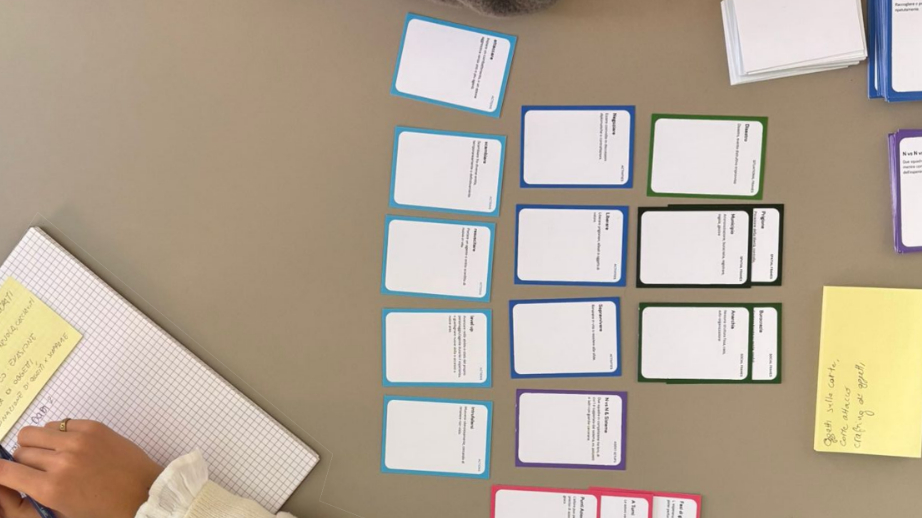
    Within the workshop, the LuNa Framework was employed exclusively during the ideation phase. The activities also provided an opportunity to test an updated version of the framework featuring additional categories and the newly introduced Mechanisms Sheet. Consistent with previous workshop experiences, the Market of Ideas activity enabled participants to generate multiple concepts collaboratively and subsequently select the ideas to be developed further.

    Working under the guidance of tutors, participants completed the ideation process as planned. During the initial session, six distinct game concepts were generated. Students then formed development teams around the selected concepts and spent the following four sessions refining and prototyping their projects.

  • LUNA in the Arctic: visiting LTU Skellefteå

    LUNA in the Arctic: visiting LTU Skellefteå

    Luleå University of Technology (LTU) invited HTW Berlin to Skellefteå for a packed three-day visit combining a student Gradshow, an industry conference, and a hands-on LUNA ideation workshop. As an associated partner of the European Game Science Lab, LTU has shown sustained interest in LUNA and its application within game education and this visit marked a meaningful deepening of that collaboration.

    David and Jules attended the end-of-semester Gradshow, an afternoon showcase of student projects from the past semester alongside graduated students’ thesis work. In the evening the visit turned interactive: everyone playtested the student games and provided constructive feedback – a hands-on close to the first day.

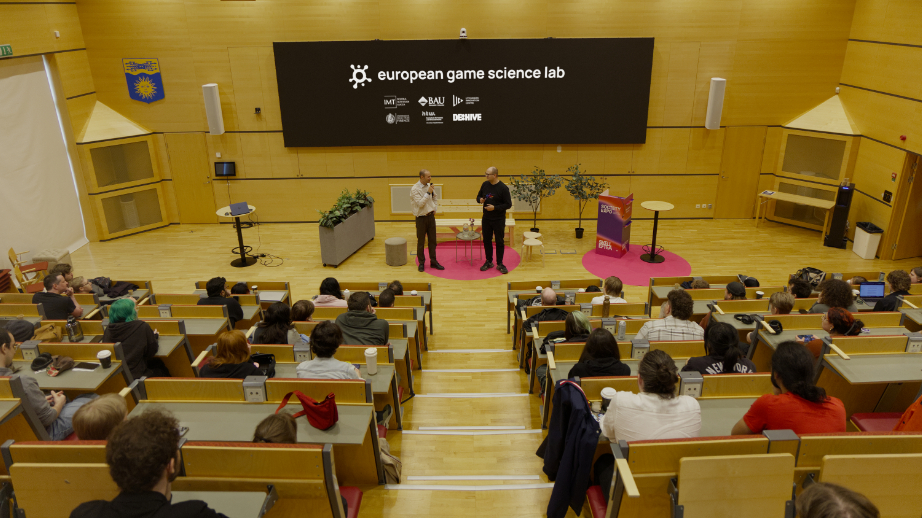
    The second day was dedicated to the Creative Connect Conference, which brought together creatives from the computer graphics and game design industry, from Sweden and around the world, for keynotes and workshops. HTW was invited to speak on the future tools panel, where David held a talk on the LUNA Framework and future skills needed from career starters. A highlight of the trip.

    The final day brought together 10 students from LTU’s Computer Graphics and Game Programming programs for a LUNA ideation workshop. Forming three mixed groups, the students generated three multiplayer game concepts and immediately began blocking out their ideas using physical prototyping material. One of the three ideas will move into full development starting in September 2026.

    The workshop was not just a one-day exercise but planted the seed for an ongoing project. The multiplayer game idea selected for development will kick off in September, and the visit opened a direct path for HTW Berlin students to get involved: we want to encourage HTWB students to apply for an Erasmus+ internship at LTU, where they could contribute to the project from a game design perspective.

    It is a concrete example of how LUNA can connect institutions, bridge disciplines, and turn a single trip into a lasting collaboration.

  • LUNA Course kickoffs at BAU University

    LUNA Course kickoffs at BAU University

    HTWB was invited by BAU University to Istanbul for the kickoff of two new courses that incorporate the LUNA Framework into their curriculum: a significant step in bringing LUNA into international academic game design education.

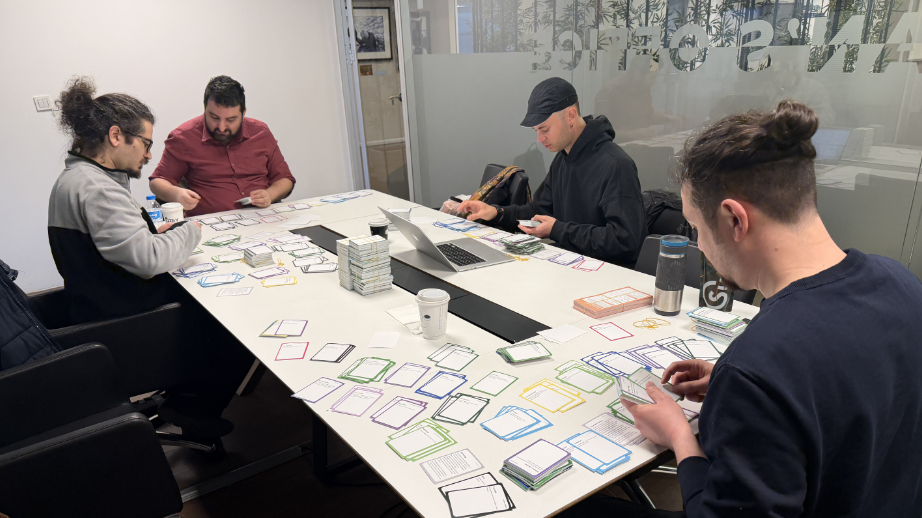
    BAU University is integrating LUNA into two distinct courses for this semester: “Game Studio” led by Güven Catak, with a focus on digital game production, and “Tabletop Game Design” led by Ertuğrul Sungu, guiding students through the full process of designing and developing analogue games.

    The first day was dedicated to groundwork: printing, cutting and sorting the LUNA card sets, briefing the BAU teachers on the framework, and aligning on the agenda and structure for the two kickoff sessions ahead. The HTWB researchers gave an introduction to the Ludic Nexus, the holistic view on games that the LUNA Framework is built upon.

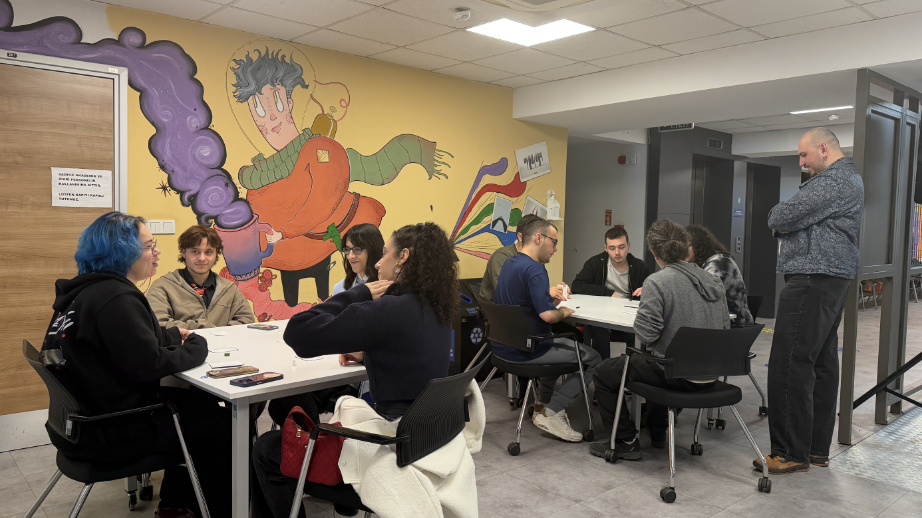
    Eight students attended the Game Studio kickoff. The session opened with a theoretical introduction to LUNA and a walkthrough of the card set, before moving into practice: two groups ran a full ideation round using the LUNA ideation approach, with PC game as the target platform.

    With 23 students in attendance, the Tabletop Game Design kickoff followed the same structure: theory of LUNA first, then practice with the cards. Five groups formed and worked through the ideation process, finishing the day with pitch presentations of their tabletop game concepts. These ideas will carry forward as the foundation for the students’ work throughout the rest of the course.

    The Tabletop Game Design course will continue developing the ideas generated during the kickoff, with LUNA guiding the ideation and design process over the coming weeks. It marks the most recent instances of LUNA being embedded as a continuous methodological tool within a full-semester university course.

    Beyond the course kickoffs, the visit to Istanbul proved to be a valuable opportunity for expanding the LUNA network. The team made contact with researchers who are actively working to support the development of AI-assisted tools to enhance the accessibility and dissemination of the LUNA Framework – a direction that could significantly broaden its reach in the years ahead.