Author: EGSL

  • From 18 Ideas in 8 Hours to 6 Cool Game Prototypes in 8 Days

    From 18 Ideas in 8 Hours to 6 Cool Game Prototypes in 8 Days

    The dust has settled, the dice have been rolled one last time, and the Summer School for Game Design is over. What started as an outrageous ‘play the game design’ experiment concluded with outrageous success: 18 innovative game concepts conceived, carried through a ‘Market of Ideas,’ and birthed into 6 fully playable prototypes intending to ‘shake’ society.
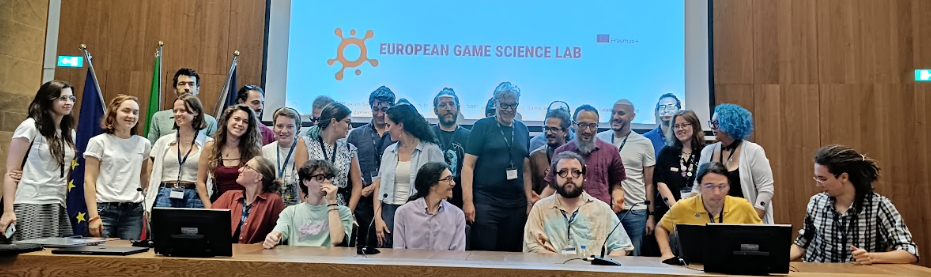
    Instead of following the traditional linear game development approach, the participants were asked to collaborate and play design as a sort of game-like activity. It transforms the usually tedious job of ideating and prototyping into an intrinsically enjoyable and shareable experience.

    It proved not just teaching innovation but much more-an access to creative potential. ‘Design decisions as gameplay: rules, challenges, and rewards’ meant that the participants would start to experiment, iterate, and push boundaries in a natural way that conventional design workshops rarely achieve.

    An initial alpha version of the LUNA Framework has impressively shown its promise, and this summer school was the perfect occasion to test-drive its first alpha. Over eight intensive days, participants got to experience in vivo how the LUNA (Ludo-narrative) Framework makes the transition between playful mechanics and substantive impact.

    While the structured approach of the framework had given the participants the required theoretical basis, it was its merging with the methodology of ‘play the game design’ that brought it to vivacity. Prof. E. Bilancini, L. Boncinelli, and T. Bremer introduced the LUNA concepts on Friday, August 22, in the morning, but by Friday afternoon the participants were deep into playful ideation activities – working individually and in groups – generating game concepts to address real challenges.
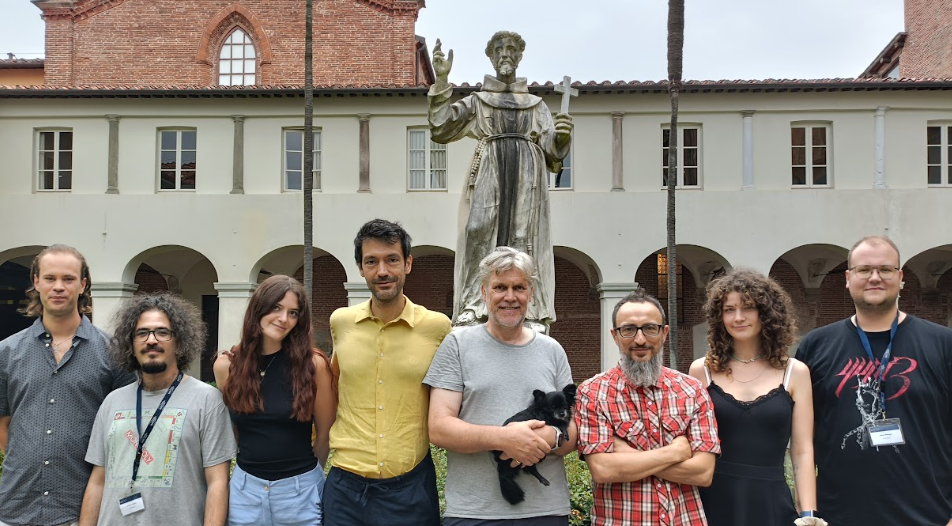
    The spark developed into Saturday evening, wherein the room had energized people within it. There were eighteen ‘play the game design’-approach-sourced game ideas, and each of them was a result of that collective and fun-to-ideate process. All of these, separately, dealt with various aspects of societal betterment; be it the awareness of the environment, building up a community, economic discrepancies or civic engagement.

    What could have functioned as a basic shortlisting exercise was spun into a vibrant, auction-type, and ingenious ‘Market of Ideas’ ride co-orchestrated by the faculty as the selection process tied to the fun and games theme of the entire program. Participants were pitching their concepts, forging alliances, and finally, roundabout six ideas that had garnered most promise for development were agreed upon. The democratic approach saw to it that selected concepts were of creative merit as well as real buy-in from development teams.

    Prototyping Through Play

    At Sunday’s open exploration day, newly formed teams could contribute much deeper to the selected concepts, soaking up inspiration and starting to flesh out the mechanical and narrative elements that would bring their games to life.
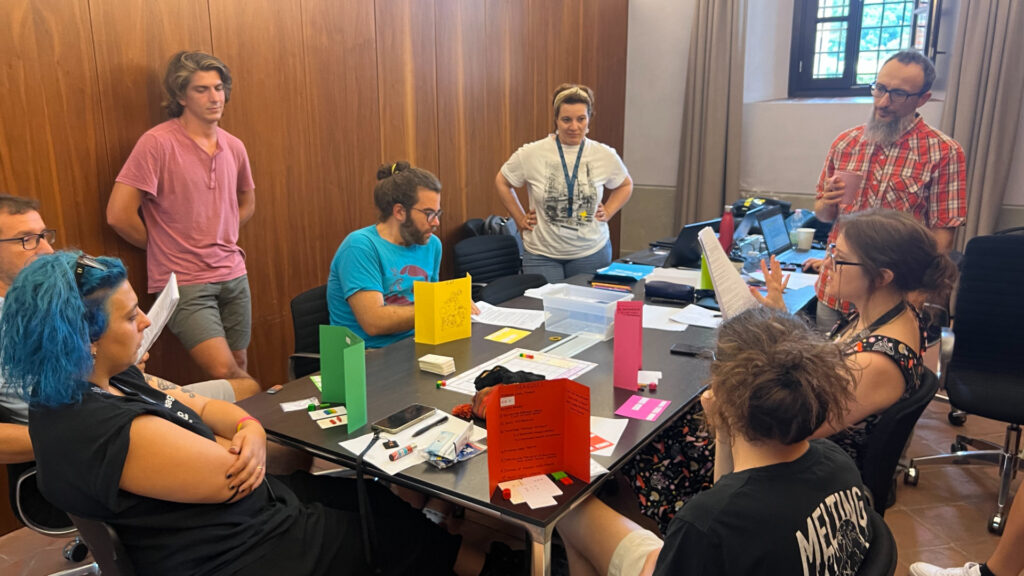
    Monday through Wednesday is where the alpha of the fake LUNA Framework really came to shine in practice. Teams had applied its structured approach to transform abstract ideas into tangible prototypes; the methodology of “play the game design” had ensured that even the most challenging development decisions always stayed engaging and collaborative. Emphasis on balance of ludic elements with narrative purpose, the scaffold participants needed to navigate such complex design challenges.
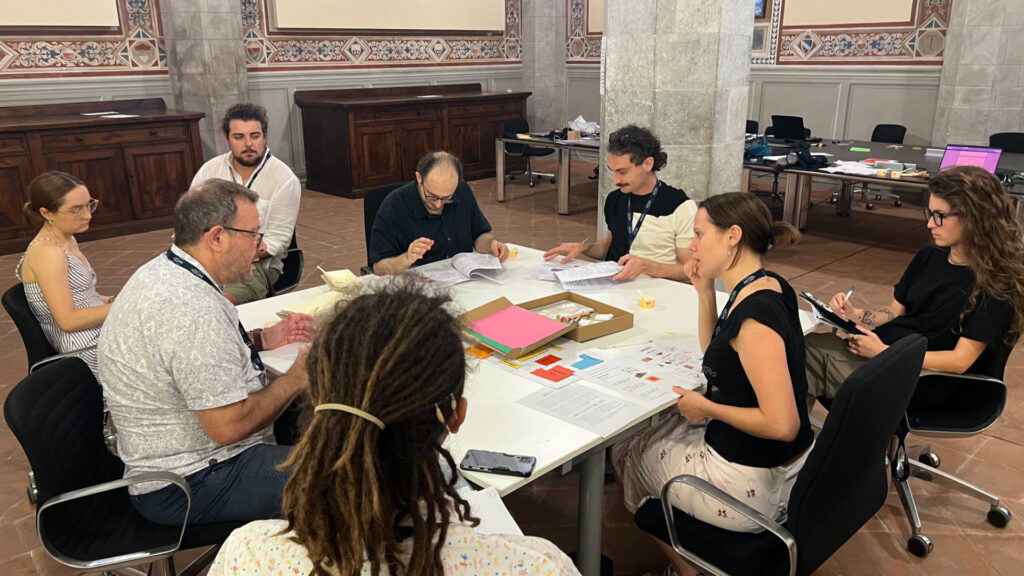
    Daily feedback sessions with faculty kept the teams on track, and cross-group playtesting created a culture of sharing where ideas could be honed and refined through peer input. The “play the current state” iteration became this unbelievable accelerator for rapid prototyping and iteration.

    Six Prototypes, Infinite Possibilities

    Thursday’s final presentations showed the amazing change which had happened. There was emergence of six fully playable prototypes each representing hours of collaborative design work but never work that felt like it was all thanks to an approach that was playful in every aspect of the development process.

    Playtesting sessions gave validation to the fact that the prototypes were not just sound on a conceptual level but were actually good to play. The games were not approached by participants, faculty members, and experts as exercises in academia but as full-fledged entertainment experiences that had the main agenda of delivering messages on social issues and advocacy of positive behaviors.

    Beyond the Summer School

    By Friday morning, when the participants were leaving, they were not taking just the memories of an intense week. They left with ‘playing the game design’ practical experience, a better understanding of how an alpha version of the LUNA Framework might steer meaningful game development, and, most critically, six working prototypes that could become the core of future development.

    As the success of the summer school shows, this is a way that design “play the game design” combined with a structured methodology of the LUNA Framework can work. For example, the transformation of 18 initial ideas into six polished prototypes represents compelling evidence that just the alpha version has already impressively demonstrated its potential for revolutionizing game design education and practice.

    The Game Continues

    While the summer school has ended, the games and ideas created through this playful design process are barely beginning to take off. Each prototype embodies not just a successful application of the alpha version of the LUNA Framework but validation of the “play the game design” philosophy that rendered the entire experience productive and truly fun.

    Participants realize game design does not need to be a struggle- it can be the design itself. Armed with the LUNA Framework and playing through design challenges, they bring about the next generation of game designers who know the best games come from designers who never stop playing- even with the design process itself.
  • Game Jam “Games in a Society in Flux”: A Successful Bridge Between Berlin and Istanbul

    Game Jam “Games in a Society in Flux”: A Successful Bridge Between Berlin and Istanbul

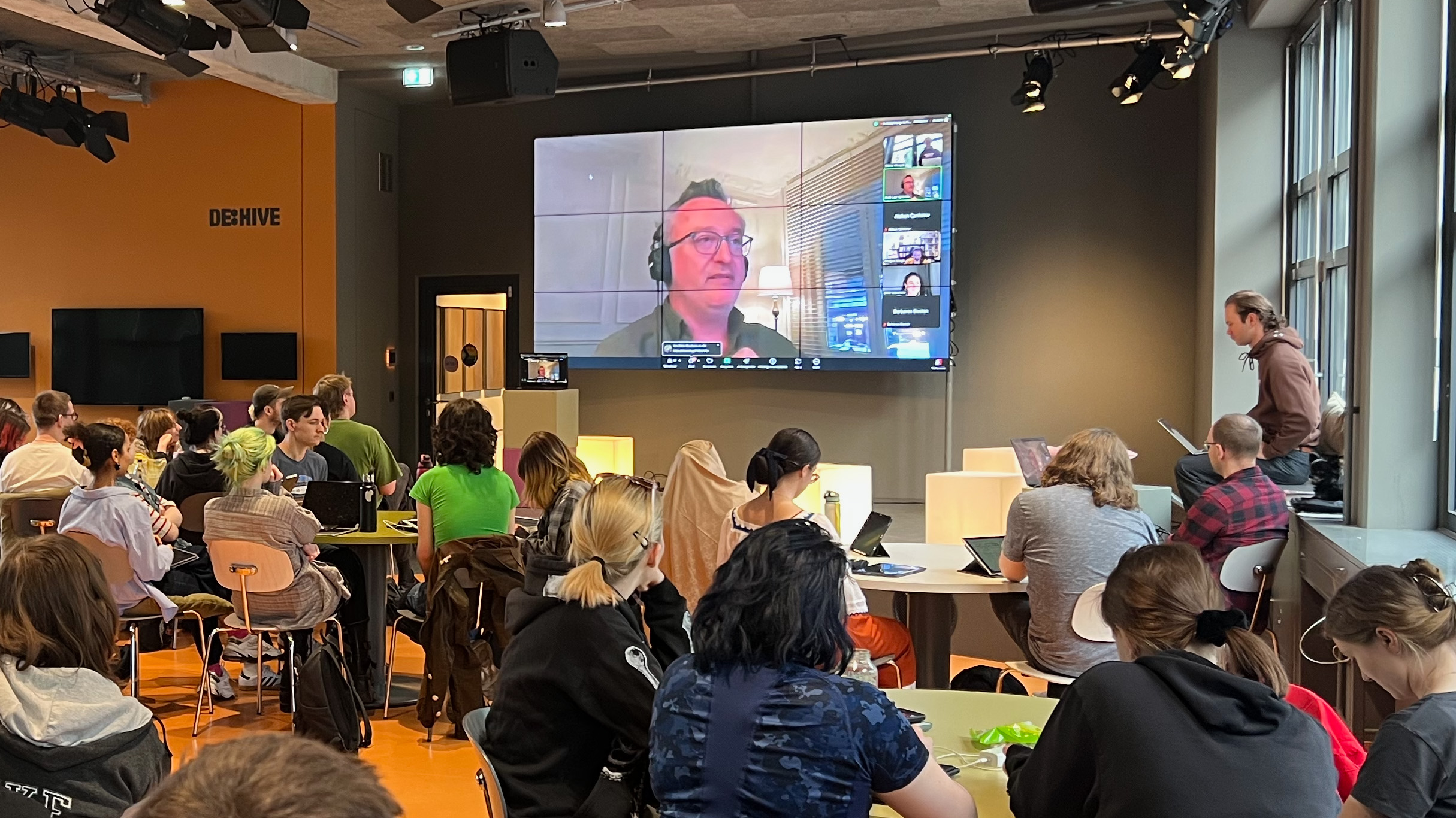
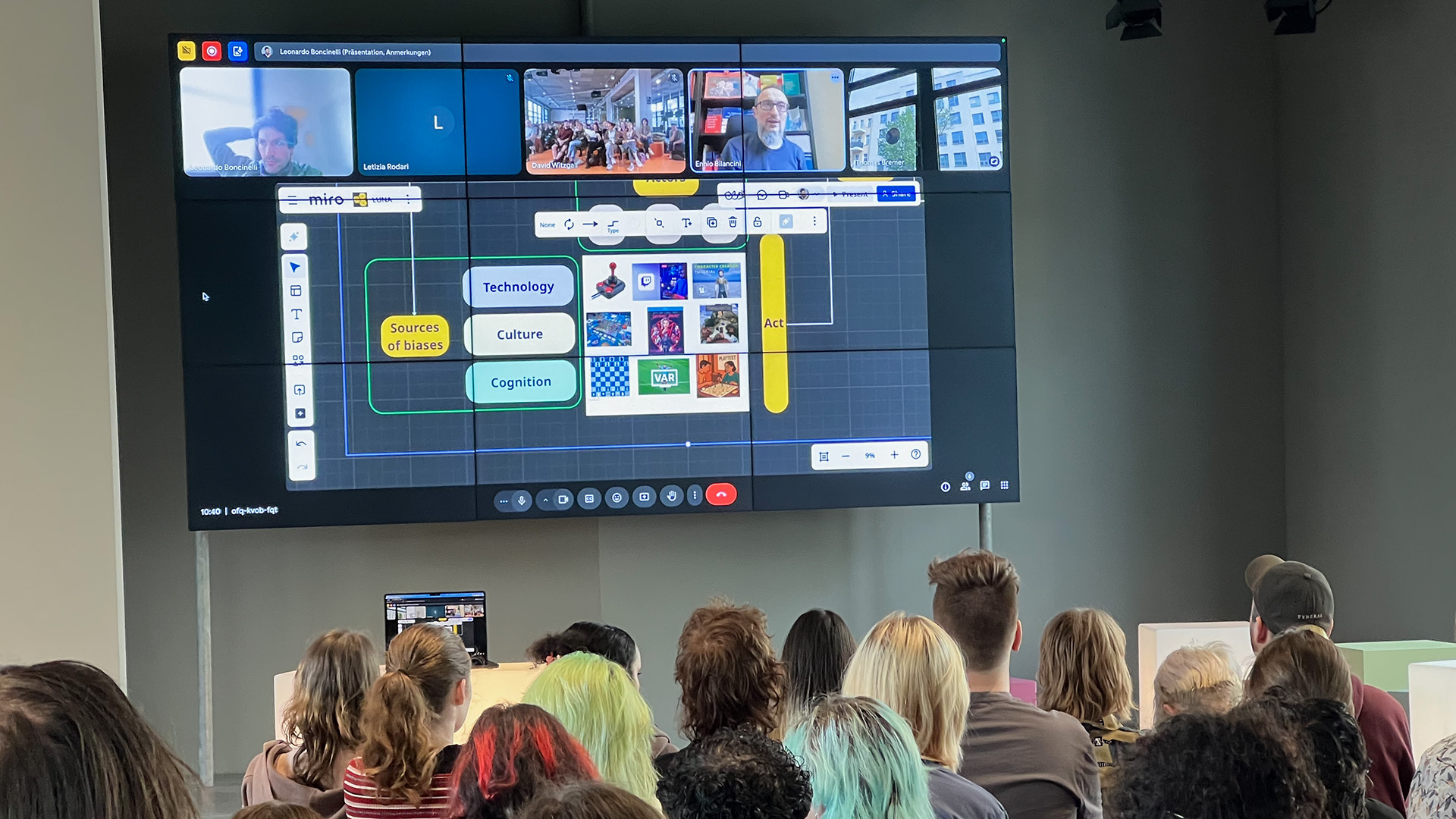
    The European Game Science Lab’s inaugural game jam proved to be a groundbreaking success, bringing together creativity and critical thinking across borders. Organized by Bug Gamelab with support from HTW Berlin’s DE:HIVE, this hybrid event connected over 100 participants—50+ students and staff from HTW Berlin and 50+ from Bahçeşehir University in Istanbul.

    Focus on Biases in Gaming

    The jam’s core mission was to reflect upon and verify workshop results concerning biases embedded in game rules and algorithms. This timely theme challenged participants to examine how games can perpetuate or challenge societal prejudices through their design choices.

    Diverse Game Concepts Emerge

    The created prototypes reveals an impressive diversity of approaches:

    Social Commentary Games: Several projects tackled representation and identity, including games exploring gender roles and cultural perspectives.

    Algorithm Awareness: Multiple teams created games that make algorithmic bias visible, transforming abstract concepts into interactive experiences.

    Narrative Experiments: Story-driven prototypes examined how player choices and game narratives can reinforce or subvert social expectations.

    System Critiques: Games that deconstruct traditional gaming mechanics to reveal hidden assumptions about competition, success, and player behavior.

    Hybrid Innovation

    The simultaneous Berlin-Istanbul format demonstrated that meaningful collaboration transcends physical boundaries. Teams worked synchronously across time zones, sharing ideas and building upon each other’s concepts in real-time.

    This inaugural jam established a strong foundation for future European Game Science Lab initiatives, proving that games can serve as powerful tools for examining and addressing societal challenges. The diverse portfolio of prototypes shows how game design can become a lens for understanding and potentially transforming social dynamics.

    The success metrics speak for themselves: 100+ engaged participants, dozens of innovative prototypes, and a new model for international academic collaboration in game research.

  • Identifying Biases in Games: A Two-Part Workshop Series Across Europe

    Identifying Biases in Games: A Two-Part Workshop Series Across Europe

    On 23 April 2025, DE:HIVE hosted the conclusion of the workshop series on ‘Identifying Prejudices in Game Rules and Algorithms’ launched at PLAY 2025 in Bologna in a hybrid format. The innovative, two-part workshop, organised by HTW Berlin (HTWB), brought together researchers and students to open a discourse on bias in games and generative AI.

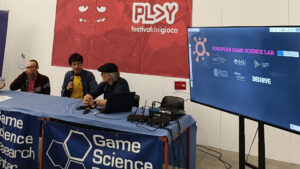
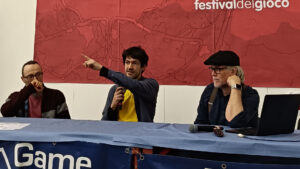
    The workshop series began during the PLAY – Festival del Gioco in Bologna from 4 to 6 April and concluded on 23 April at DE:HIVE in Berlin as a hybrid event. The partners from UniFi, IMT Lucca and HTW Berlin created a rich, multicultural dialogue on identifying bias in game systems.

    Surrounded by hundreds of games and passionate players, our academic discussions gained a tangible, real-world context that cannot be replicated in a traditional conference room.

    The Italian part focused on presenting theoretical frameworks and exchanging methods from different academic traditions.

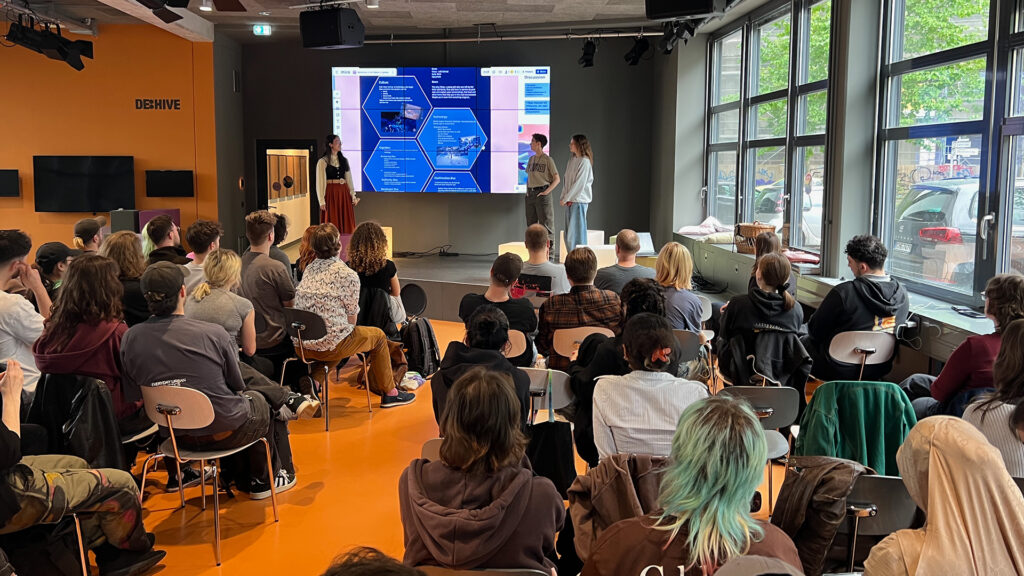
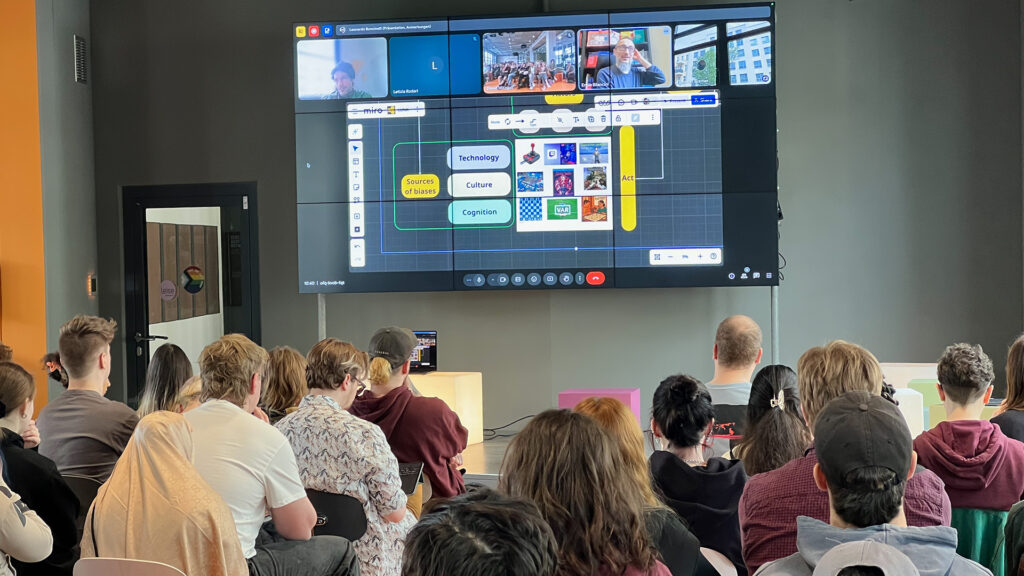
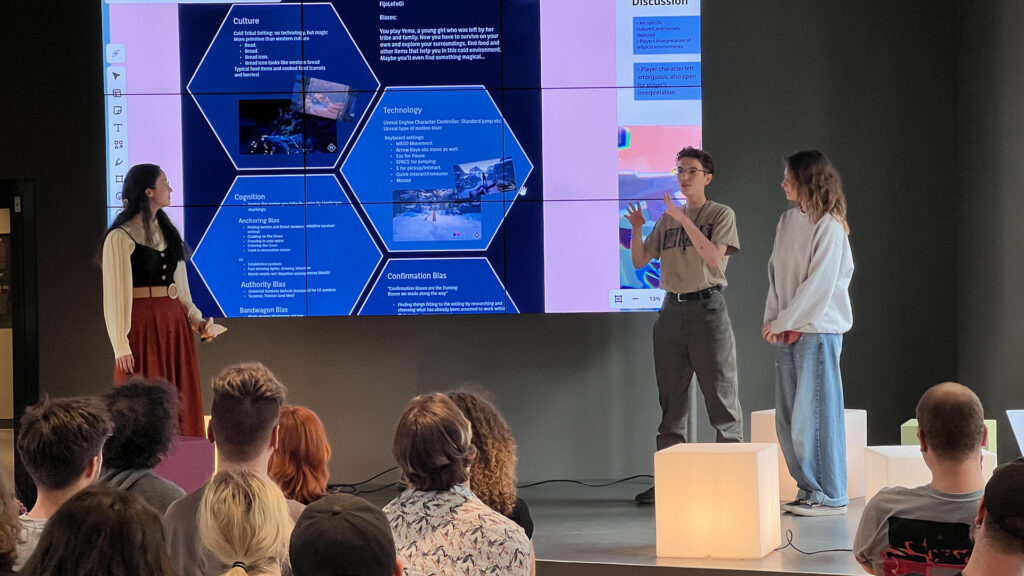
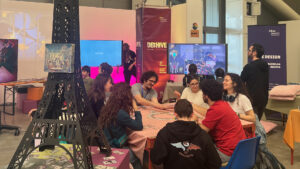
    Three weeks later, on 23 April, the workshop took place at DE:HIVE at HTW Berlin, where students also participated in the discourse. The results of the workshop will also be incorporated into the Game Jam taking place next weekend.

    This discussion explored how algorithmic systems often reinforce existing social prejudices, but also offer unique opportunities to correct them.

    Another discussion addressed culturally influenced prejudices. What seemed neutral to developers from one cultural context often had great significance in another.

    The workshop series shows how international academic collaboration can address real-world challenges while educating the next generation of conscious creatives. By combining the cultural richness of the gaming festival in Bologna with the innovation ecosystem of DE:HIVE in Berlin, the project offered participants a unique learning experience that neither city could have provided on its own.

    The success of this workshop series underscores the importance of international collaboration in addressing global challenges in digital culture. Given the continued growth and influence of the gaming industry on society, such joint efforts will become increasingly important to ensure that our digital experiences reflect our shared values.

  • european game science lab @PLAY 2025 Bologna

    european game science lab @PLAY 2025 Bologna

    We had a great time at PLAY 2025 in Bologna. The presentation of the European Game Science Lab at PLAY2025 in Bologna was very well received.

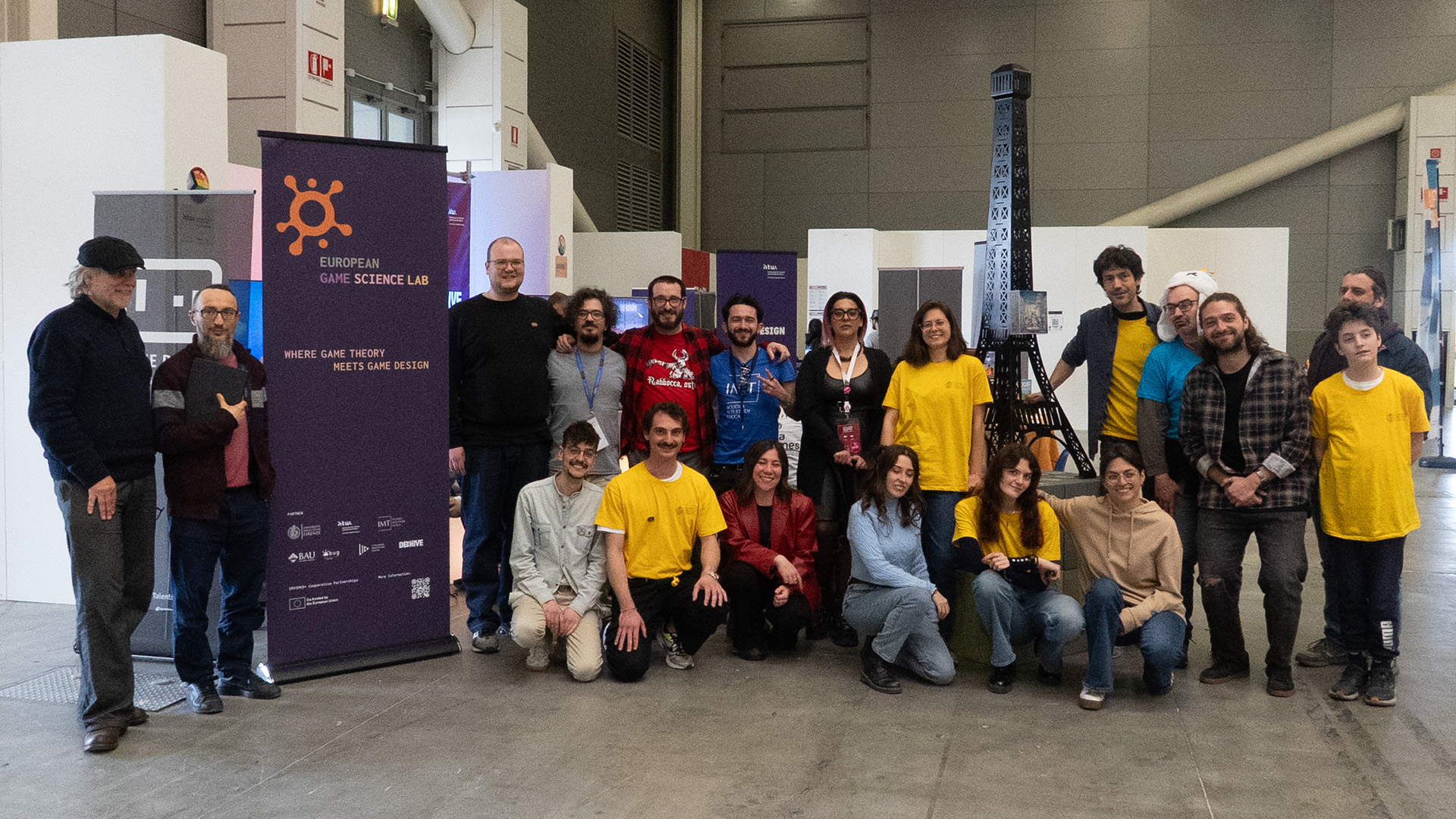
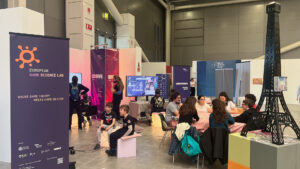
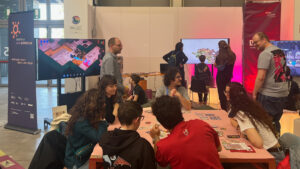
    From April 4 to 6, 2025, the European Game Science Lab (EGSL) participated in the renowned “PLAY – Festival del gioco” in Bologna with a joint booth. The three partner institutions – DE:HIVE at HTW Berlin, the Game Science Center at IMT Lucca, and the Game Innovation Center (GIC) at the University of Florence – took advantage of this unique opportunity to present the innovative EGSL project to a wide audience.

    The PLAY Festival provided an ideal platform for direct contact with game designers, developers, and representatives of the gaming community. Participation enabled the EGSL team to attract potential contributors to the project and establish valuable connections. The concept of the European Game Science Lab met with great interest and positive feedback among the thousands of festival participants.

    The joint presence of the three partner institutions on site was considered particularly valuable. In addition to the public presentation of the project, important internal coordination and planning for upcoming activities could be carried out. A special focus was placed on the preparation of the workshop “Identifying biases in game rules and algorithms” (Activity 3.5), which benefits from the interdisciplinary expertise of all partners.

    Participation in PLAY2025 had a positive impact on all ongoing project activities. Discussions with experts and the attention of the festival community led to important impulses and new perspectives for all areas of work at the EGSL.

    The successful participation in PLAY 2025 confirms the relevance and potential of the European Game Science Lab as an important initiative for scientific research into games and gaming technologies. The further development of the project and the implementation of the findings in research work are eagerly awaited.

  • Games in a Society in Flux Workshop at IMT Lucca

    Games in a Society in Flux Workshop at IMT Lucca

    The first joint international workshop of the European Game Science Lab project, organised by IMT Lucca, focused on the concept of creating games in an evolving society. Game Science: Discussion about a new discipline The discussion centred on ‘game science’ as a relatively new field of research and its place in the scientific spectrum.

    Participants discussed how game science differs from existing approaches. Not just game theory: It goes beyond the mathematical modelling of strategic interactions. Not just game design: More than just a design perspective. Not just game studies: Expanded to include quantitative methods and consider cultural, anthropological and social factors.

    Game science takes a broader, multidisciplinary approach. The basic idea is that games and gaming could become an important common language of the coming century. Understanding this development requires a discipline combining quantitative and qualitative methods of analysis — an area underrepresented in game studies to date. Another topic of discussion was the project’s planned theoretical framework. The aim is to develop an integrative understanding of game design that is independent of the respective aggregate states of games, such as children’s games, board games, digital games and role-playing games.

    Practical focus: Game design teaching The three-year project will focus on the further development of game design teaching and the concept of ‘game literacy’ as a practical skill for various educational areas.

    The methodological core of the project was discussed: the breakdown of existing game design practices and teaching methods into individual building blocks. These cover various aspects, from game mechanics and themes to other components of game design. The aim is to develop new game design teaching methods based on these building blocks.

    The workshop marked the beginning of the project, which aims to advance game design education through a multidisciplinary approach combining game theory and game design with analogue and digital teaching methods.

  • Kick-off at Lucca Comic & Games

    Kick-off at Lucca Comic & Games

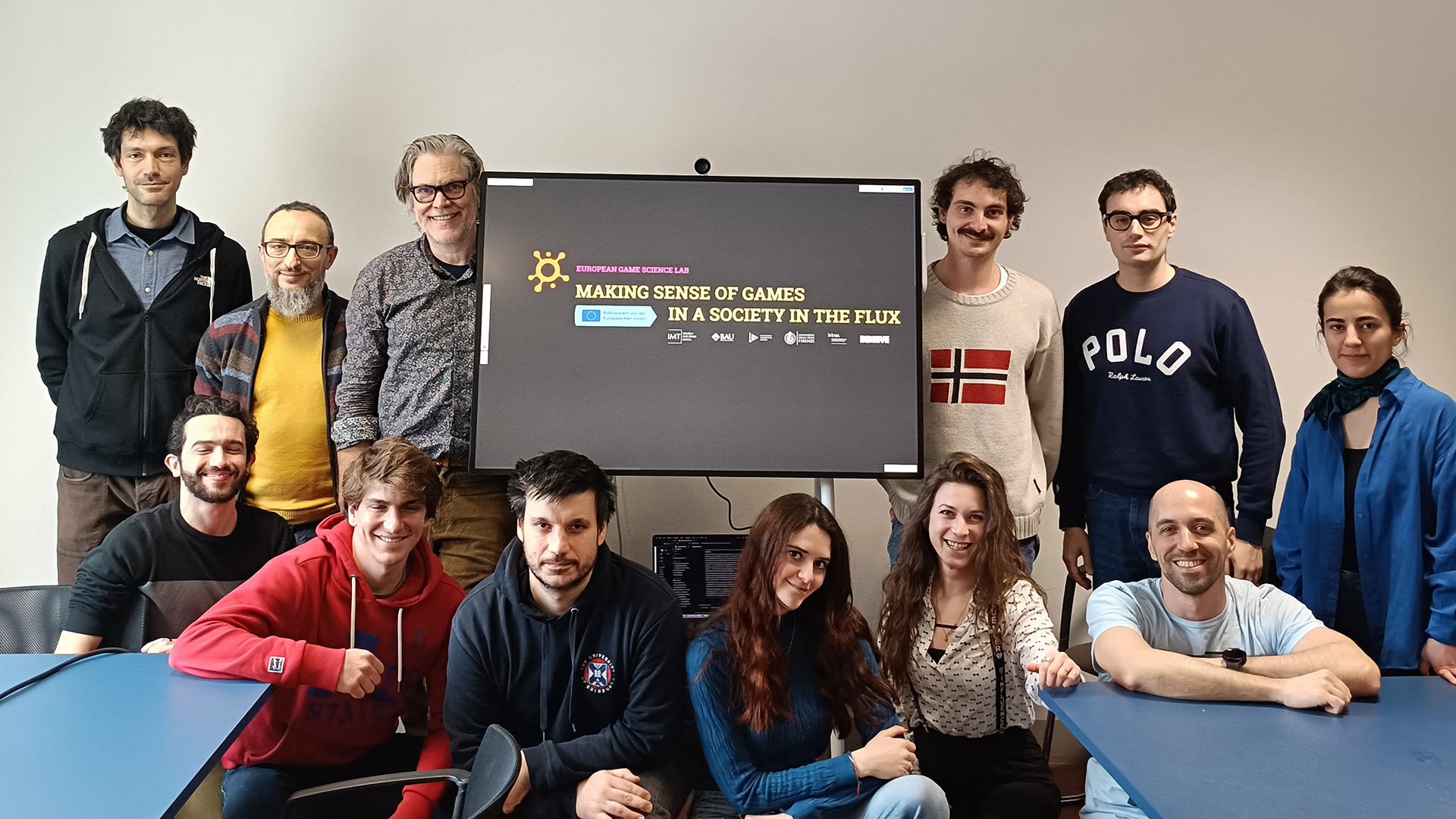
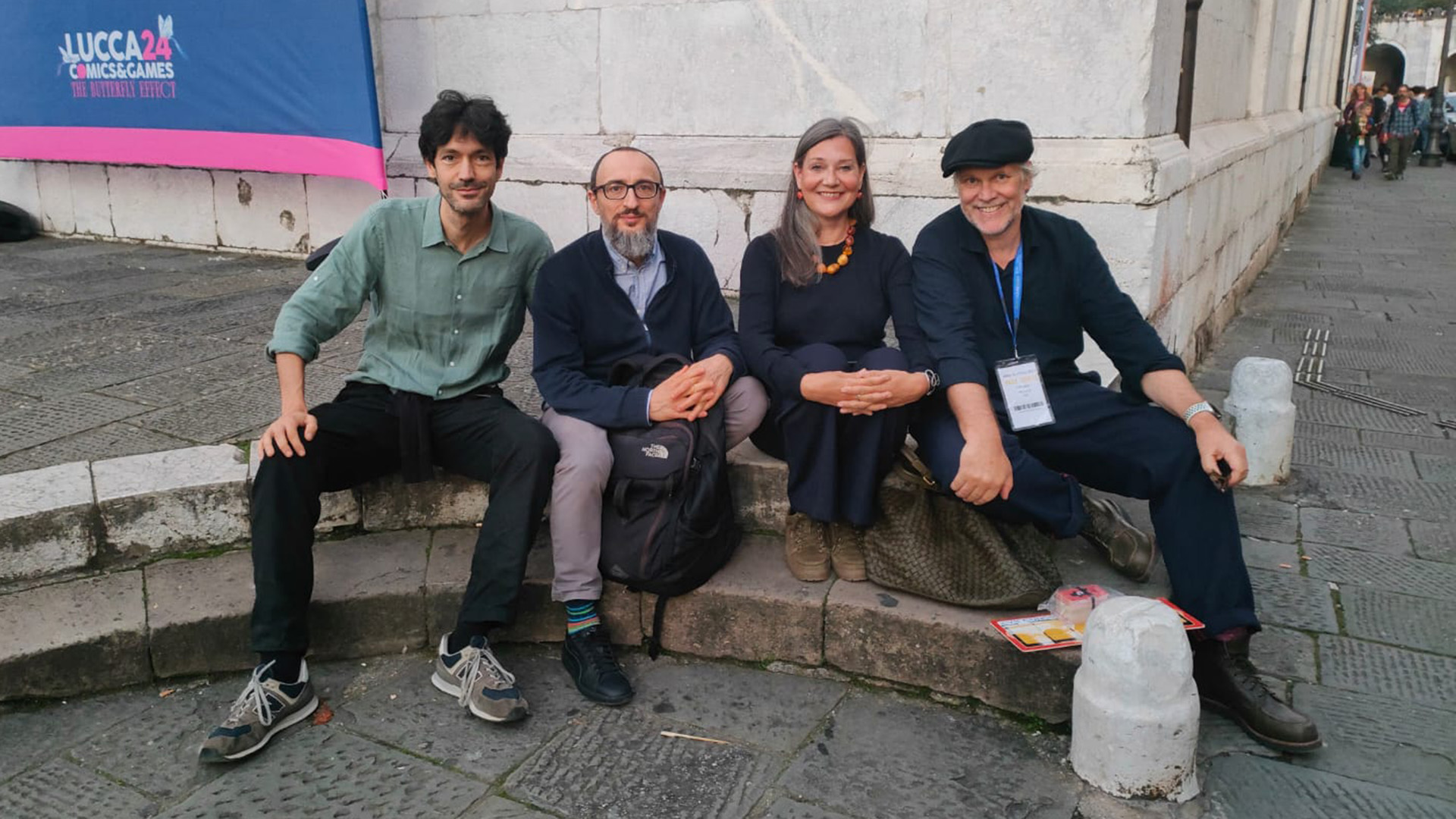
    The European Game Science Lab (EGSL) officially kicked off at the end of October. At a hybrid kick-off meeting at the renowned IMT Lucca, all project partners came together to set the course for an exciting first year. The timing could hardly have been better, as the meeting coincided with the internationally renowned Lucca Comic and Games trade fair – an ideal platform for presenting this new European initiative.

    Strategic planning for the coming year

    On 28 October 2025, the EGSL partner organisations met for a hybrid meeting at the IMT Lucca. The annual planning and specific activities were discussed and coordinated in detail in a constructive atmosphere. This careful planning forms the foundation for all future initiatives of the laboratory and emphasises the professional approach of the partners involved.

    Presence at Lucca Comic and Games

    In the days following the kick-off, the European Game Science Lab took the opportunity to introduce itself to a wider audience. At the IMT Library’s exhibition at Lucca Comic and Games, the project was able to attract numerous visitors and inspire them with its goals. The trade fair, which attracts hundreds of thousands of visitors from the gaming, comic and pop culture scene every year, provided an excellent platform for making contacts and expanding the network.

    Specialist lectures on socially relevant gaming topics

    To accompany the exhibition, the IMT Lucca organised a high-calibre lecture programme that addressed the importance of games in our society. Two specialist lectures deserve special mention:

    Ennio Biancini and Thomas Bremer gave an exciting outlook on the development of the Ludo-narrative Framework in their lecture – a promising approach that aims to bring narrative elements and game mechanics into a coherent theoretical framework.

    In another presentation, Thomas Bremer and David Witzgall shed light on the challenges and opportunities that artificial intelligence brings to game development. In view of the rapid developments in the field of AI, this was a particularly topical and relevant subject that met with great interest.

    Outlook

    With this successful launch, the European Game Science Lab has laid the foundations for its future work. The combination of strategic planning, public presentation and professional exchange already demonstrates the scope and potential of this European initiative.

    Anyone interested in finding out more about the European Game Science Lab should keep an eye out for further reports and upcoming events.

  • Successful Launch of the European Game Science Lab

    On 1 October 2024, the European Game Science Lab (EGSL) Cooparative Partnership was launched at the selected partner universities in Europe. The aim of this innovative teaching network is to unite the worlds of game theory and game design in order to fundamentally strengthen and further develop education in the field of game creation. It was already clear at the kick-off workshop that the EGSL sets new standards for teaching and promotes a holistic approach that inspires students and teachers alike.

    Our vision: Developing more than just games Games are no longer just entertainment products – they reflect and actively shape social norms. The EGSL pursues ambitious goals:

    Transforming the learning process: we want to change the understanding of video game development among students and teachers in the long term.

    Social relevance: Games should promote diversity, address social issues, support inclusion and contribute to mental health. Methodological innovation: By combining game theory and game design, we develop novel concepts that meet the current challenges of a changing society. ‘Games are powerful cultural artefacts – we want to empower students to use this power consciously and responsibly.’

    Realisation: the heart of our network The operational work of the European Game Science Lab is divided into three core phases:

    Establishing a teaching network A dynamic network of lecturers and researchers is being created via partner institutions in Germany, France, Sweden and Spain. Regular online meetings, practice-orientated workshops and guest lectures by renowned experts ensure a lively exchange and a shared knowledge base.

    Development of the LUNA framework Based on the findings, the Ludo-Narrative Game Design Framework (LUNA) was created. This modular concept provides teachers and students with guidelines, tools and methods for combining narrative structures and game theory elements in analogue, digital and hybrid formats. An integrated GenAI assistance system supports idea generation, prototype development and feedback loops.